

Introduction:Triac Phase Cut Dimmable LED Lighting
When it comes to creating the perfect ambiance in your home or commercial space, lighting control is paramount. Among the various dimming technologies available today, Triac phase cut dimming stands out as one of the most widely used and reliable methods for controlling LED lights. This comprehensive guide will walk you through everything you need to know about Triac phase cut dimmable technology, helping you make informed decisions for your lighting projects.
What is Triac Phase Cut Dimming?
Triac phase cut dimming is an electronic dimming method that controls the amount of electrical power delivered to a light source by “cutting” portions of the AC waveform. The term “Triac” refers to the semiconductor device (Triode for Alternating Current) that performs this function. This technology has been the industry standard for decades, originally developed for incandescent lighting and now adapted for modern LED applications.
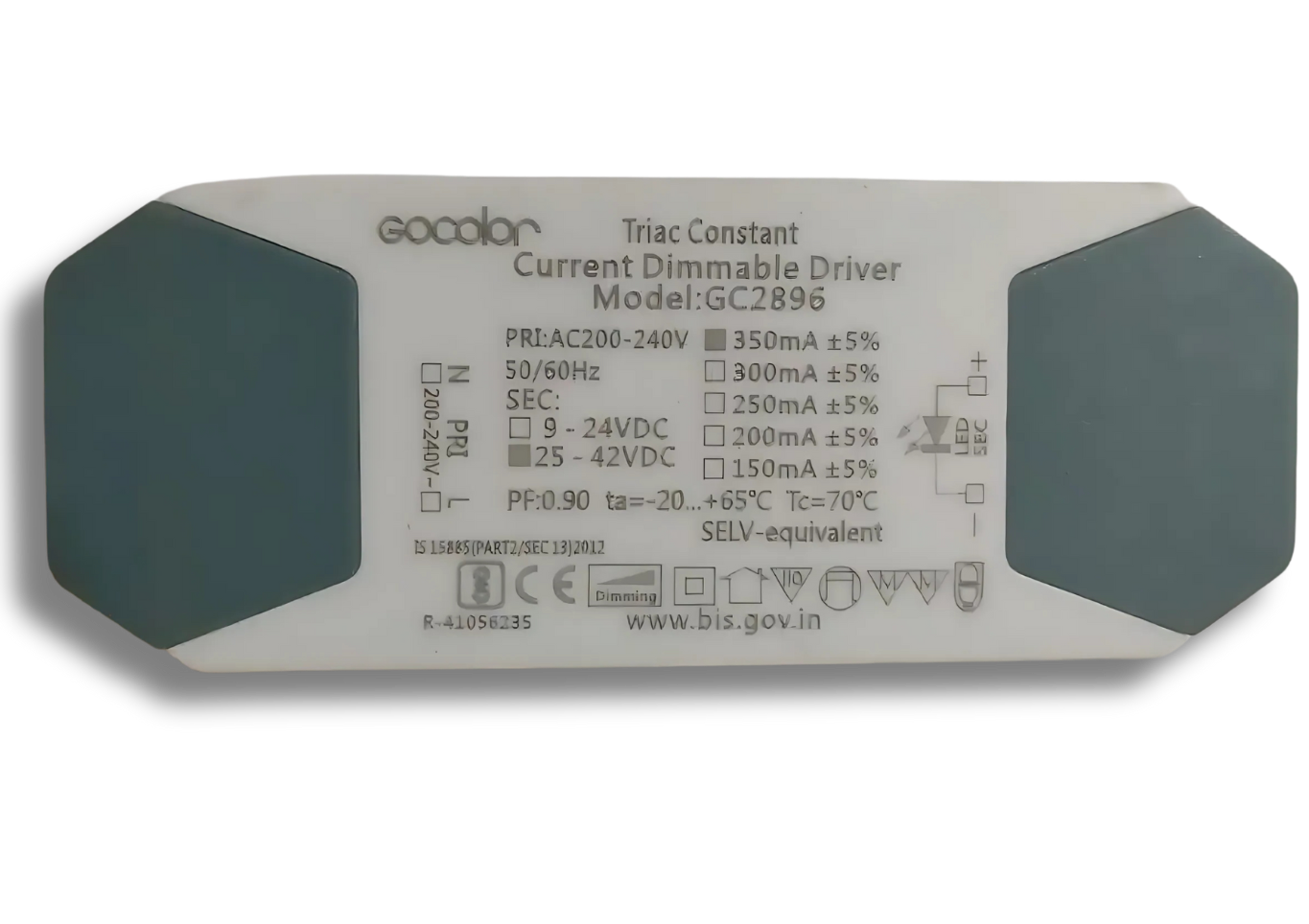
How Does Triac Dimming Work?
Understanding the mechanics of Triac dimming helps appreciate its effectiveness and limitations. The Triac acts as an electronic switch that rapidly turns the power on and off during each AC cycle. By controlling when the switch activates during the cycle, the dimmer regulates the average power delivered to the light.
The AC power in your home cycles 50 or 60 times per second (depending on your region). A Triac dimmer can activate at any point during these cycles. When you turn the dimmer to a lower setting, the Triac delays turning on until later in the cycle, effectively “cutting” the beginning or end of the waveform and reducing the power delivered to the lamp.
Types of Phase Cut Dimming
There are two primary types of phase cut dimming, each with distinct characteristics:
Leading Edge (Forward Phase) Dimming
Leading edge dimming cuts the front portion of the AC waveform. This method was designed for traditional resistive loads like incandescent bulbs. The Triac turns on partway through the cycle and turns off at the zero-crossing point. Leading edge dimmers are typically less expensive and have been the most common type installed in homes over the past several decades.
Trailing Edge (Reverse Phase) Dimming
Trailing edge dimming cuts the rear portion of the AC waveform. The power turns on at the zero-crossing point and switches off before the cycle completes. This method provides smoother dimming performance with electronic loads like LED drivers and is generally preferred for LED applications. Trailing edge dimmers typically produce less electromagnetic interference and provide better dimming range with LEDs.
Advantages of Triac Phase Cut Dimmable Systems
Widespread Compatibility and Infrastructure
One of the most significant advantages of Triac dimming is its ubiquity. Millions of Triac dimmers are already installed in homes and commercial buildings worldwide. This existing infrastructure means you can often upgrade to dimmable LED lighting without replacing your current dimmer switches, provided you choose compatible LED products.
Cost-Effective Solution
Triac dimmers are generally more affordable than alternative dimming technologies like 0-10V or DALI systems. The wall switches are readily available at various price points, from basic models to sophisticated digital controls with preset scenes and remote capabilities.
Simple Two-Wire Installation
Unlike some other dimming systems that require separate control wiring, Triac dimmers use the existing two-wire electrical system. This simplicity makes installation straightforward for electricians and reduces installation costs, particularly in retrofit applications.
Smooth Dimming Performance
When properly matched with compatible LED drivers, Triac dimming provides smooth, continuous dimming without visible steps or jumps in light output. This creates comfortable lighting transitions ideal for residential and hospitality environments.
No Additional Control Systems Required
Triac dimming is a self-contained system that doesn’t require central processors, control panels, or programming. This plug-and-play functionality makes it ideal for residential applications and smaller commercial projects where sophisticated lighting control isn’t necessary.
Challenges and Considerations
Compatibility Issues
Not all LED products are Triac dimmable. LEDs require drivers (power supplies) specifically designed to work with phase cut dimmers. Using non-dimmable LEDs with Triac dimmers can result in flickering, buzzing, limited dimming range, or complete failure to dim.
Minimum Load Requirements
Many Triac dimmers were designed for the higher wattages of incandescent bulbs. Modern LED lights draw much less power, sometimes falling below the minimum load requirement of the dimmer. This can cause erratic behavior, including failure to turn on, flickering at low levels, or the lights staying on when switched off.
Electromagnetic Interference
The rapid switching action of Triac dimmers can generate electromagnetic interference (EMI) that may affect nearby electronic devices, including audio equipment, wireless routers, or sensitive medical equipment.
Heat Generation
While LEDs themselves produce minimal heat, Triac dimmers can generate significant heat during operation, especially when controlling multiple fixtures or higher loads. Proper ventilation and following load capacity guidelines are essential for safe operation.
Selecting the Right Triac Dimmable LED Products
Look for Dimming Specifications
Always verify that LED products explicitly state compatibility with Triac or phase cut dimming. Manufacturers typically provide lists of tested and recommended dimmer models. Consulting these compatibility charts before purchase prevents frustration and ensures optimal performance.
Consider Dimming Range
The dimming range refers to how low the light can be dimmed before it shuts off or becomes unstable. Quality Triac-compatible LEDs can typically dim to 10 percent or less of maximum output. Products with poor dimming characteristics may only reach 30 to 40 percent before experiencing issues.
Check Minimum Load Requirements
Calculate the total wattage of LEDs you plan to control and ensure it meets the dimmer’s minimum load requirement. If the load is too low, consider adding a dummy load capacitor or using a dimmer specifically designed for low-wattage LED loads.
Evaluate Dimming Quality
Not all dimmable LEDs perform equally. High-quality products will dim smoothly without flickering, produce no audible buzz, maintain consistent color temperature throughout the dimming range, and start reliably at all dimmer settings.
Installation Best Practices
Professional Installation
While many homeowners feel comfortable installing standard switches, dimmer installation should be performed by qualified electricians, especially in commercial applications. Proper installation ensures safety and optimal performance.
Multi-Location Dimming
For three-way or four-way dimming applications, ensure all switches in the circuit are compatible. Some systems require specific companion switches or may need replacement with specialized multi-location dimming solutions.
Load Calculation
Never exceed the dimmer’s maximum rated capacity. Add up the wattage of all connected fixtures and ensure adequate safety margin. Overloading dimmers causes overheating, shortened lifespan, and potential fire hazards.
Heat Management
Install dimmers in locations with adequate air circulation. Avoid crowding electrical boxes with excessive wiring, and never install multiple dimmers in a single gang box without proper derating.
Troubleshooting Common Issues
Flickering or Strobing
Flickering can result from incompatible LED drivers, minimum load issues, loose wiring connections, or failing dimmer components. Start by verifying compatibility between the dimmer and LED products, then check all electrical connections.
Audible Buzzing or Humming
Buzzing typically comes from vibrations in the LED driver or transformer caused by the rapid switching of the Triac. Using trailing edge dimmers often reduces this issue. In some cases, the buzz comes from the dimmer itself and may require dimmer replacement.
Limited Dimming Range
If lights won’t dim below 30 to 40 percent, the LED driver may not be designed for deep dimming, or the dimmer may not be optimized for LED loads. Try different dimmer models or consider switching to LEDs with better dimming specifications.
Ghosting or Afterglow
Some LEDs remain faintly illuminated when turned off due to small amounts of leakage current through the dimmer. Solutions include installing a bleeder resistor, using a different dimmer model, or choosing LED products less susceptible to this phenomenon.
Pop-On Effect
The sudden jump in brightness when turning on the dimmer from the off position can be jarring. This usually indicates incompatibility between the dimmer and LED. Look for dimmers with soft-start features or switch to more compatible products.
Comparing Triac Dimming to Alternatives
0-10V Dimming
0-10V systems use separate low-voltage control wiring and are common in commercial applications. While they offer excellent dimming performance and compatibility, they require additional wiring and more complex installation compared to Triac systems.
DALI (Digital Addressable Lighting Interface)
DALI provides sophisticated digital control with individual fixture addressing, programming capabilities, and integration with building management systems. However, it requires specialized components, control systems, and programming knowledge, making it more suitable for large commercial projects.
Wireless Control Systems
Modern wireless dimming using protocols like Zigbee, Z-Wave, or proprietary systems offers remote control and smart home integration. These systems typically still use Triac dimming as the underlying technology but add wireless communication layers.
Applications for Triac Dimmable Lighting
Residential Settings
Triac dimming excels in homes, providing ambiance control in living rooms, bedrooms, dining areas, and bathrooms. The familiar wall switch interface requires no learning curve, and the technology integrates seamlessly with existing electrical systems.
Hospitality Environments
Hotels, restaurants, and event spaces benefit from Triac dimming’s ability to create various moods and lighting scenes. The smooth dimming characteristics help establish comfortable environments that enhance guest experiences.
Retail Spaces
Retail stores use Triac dimmable lighting to highlight merchandise, adjust lighting throughout the day, and create inviting shopping environments while maintaining energy efficiency.
Office Environments
While larger commercial offices often employ more sophisticated control systems, smaller offices and conference rooms frequently use Triac dimming for its simplicity and cost-effectiveness.
Energy Efficiency Considerations
Triac dimming directly reduces energy consumption by decreasing the power delivered to lights. At 50 percent dimming, you use approximately 50 percent of the power, translating to proportional energy savings. This makes dimming an effective strategy for reducing electricity costs while extending LED lifespan.
However, the dimmers themselves consume small amounts of power even when lights are off. Quality dimmers minimize standby power consumption, but this factor should be considered in large installations.
Future of Phase Cut Dimming
Despite newer technologies emerging, Triac dimming continues evolving. Manufacturers develop smarter dimmers with automatic load detection, improved EMI suppression, and hybrid capabilities supporting multiple dimming protocols. The vast installed base of Triac dimmers ensures this technology remains relevant for decades to come.
Modern innovations include dimmers with built-in wireless connectivity, allowing traditional wall switches to integrate with smart home systems while maintaining backward compatibility with phase cut dimming principles.
Conclusion
Triac phase cut dimmable technology represents a proven, reliable solution for lighting control that balances performance, cost, and ease of use. While it requires careful attention to compatibility and proper installation, the benefits of smooth dimming, energy savings, and ambiance control make it an excellent choice for countless applications.
Success with Triac dimming depends on selecting quality dimmable LED products, using appropriate dimmer models, and following installation best practices. By understanding the technology’s capabilities and limitations, you can create lighting systems that deliver years of reliable, comfortable, and efficient operation.
Whether you’re upgrading a residential space or specifying lighting for a commercial project, Triac dimmable LED technology offers the control and flexibility modern spaces demand while leveraging the extensive infrastructure already in place. With proper planning and execution, you’ll enjoy beautiful, controllable lighting that enhances any environment.