

In the world of professional lighting, few technologies have revolutionized the industry quite like DMX lighting systems. Whether you’re setting up a concert stage, designing a theatrical production, architecting an immersive nightclub experience, or creating the perfect ambiance for a corporate event, understanding DMX lighting is essential for achieving professional-grade results. This comprehensive guide will walk you through everything you need to know about DMX lighting systems, from the basics to advanced applications, and help you make informed decisions for your lighting projects.
What is DMX Lighting?
DMX, which stands for Digital Multiplex, is a digital communication protocol specifically designed for controlling stage lighting and effects. Developed in 1986 by the United States Institute for Theatre Technology (USITT), DMX512 (the full technical name) has become the universal standard for lighting control across entertainment, architectural, and commercial applications worldwide.
At its core, DMX lighting allows you to control multiple lighting fixtures from a single controller, sending digital signals through standard cables to precisely manage various parameters like brightness, color, movement, and special effects. This level of control has transformed what’s possible in lighting design, enabling lighting professionals to create intricate, synchronized displays that would be impossible with traditional analog systems.
How DMX Lighting Works: Understanding the Technology
The DMX512 protocol transmits data in “universes,” with each universe capable of controlling up to 512 individual channels. Think of channels as individual parameters you can control—for a simple light, one channel might control brightness. For a more complex moving head fixture, you might need 16 or more channels to control pan, tilt, color mixing, gobo selection, prism effects, and more.
The system operates on a daisy-chain configuration, where a DMX controller sends signals through a cable to the first fixture, which then passes the signal to the second fixture, and so on. Each fixture is assigned a specific DMX address, which determines which channels it responds to. This addressing system is what allows you to control dozens or even hundreds of individual fixtures independently while using a single control cable.
DMX signals are transmitted using RS-485 differential signaling, which provides excellent noise immunity and allows cable runs of up to 1,000 feet (300 meters) without signal degradation. The standard uses 5-pin XLR connectors, though 3-pin XLR connectors are also commonly used in the industry.
Essential Components of a DMX Lighting System
Building a functional DMX lighting system requires several key components working together seamlessly. Understanding each element will help you design and implement systems that meet your specific needs.
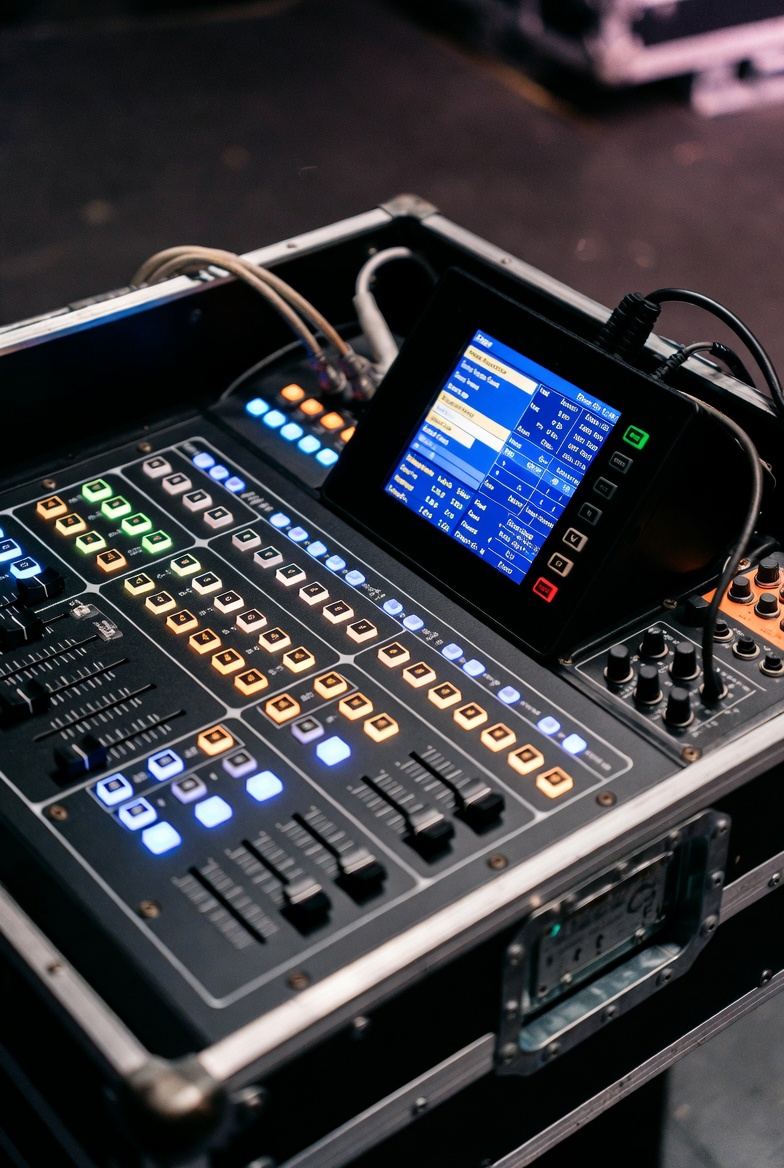
DMX Controller or Console: This is the brain of your lighting system. Controllers range from simple handheld units with basic programming capabilities to sophisticated consoles with touchscreens, motorized faders, and extensive programming features. Modern controllers often include software integration, allowing you to pre-program complex lighting sequences and cues.
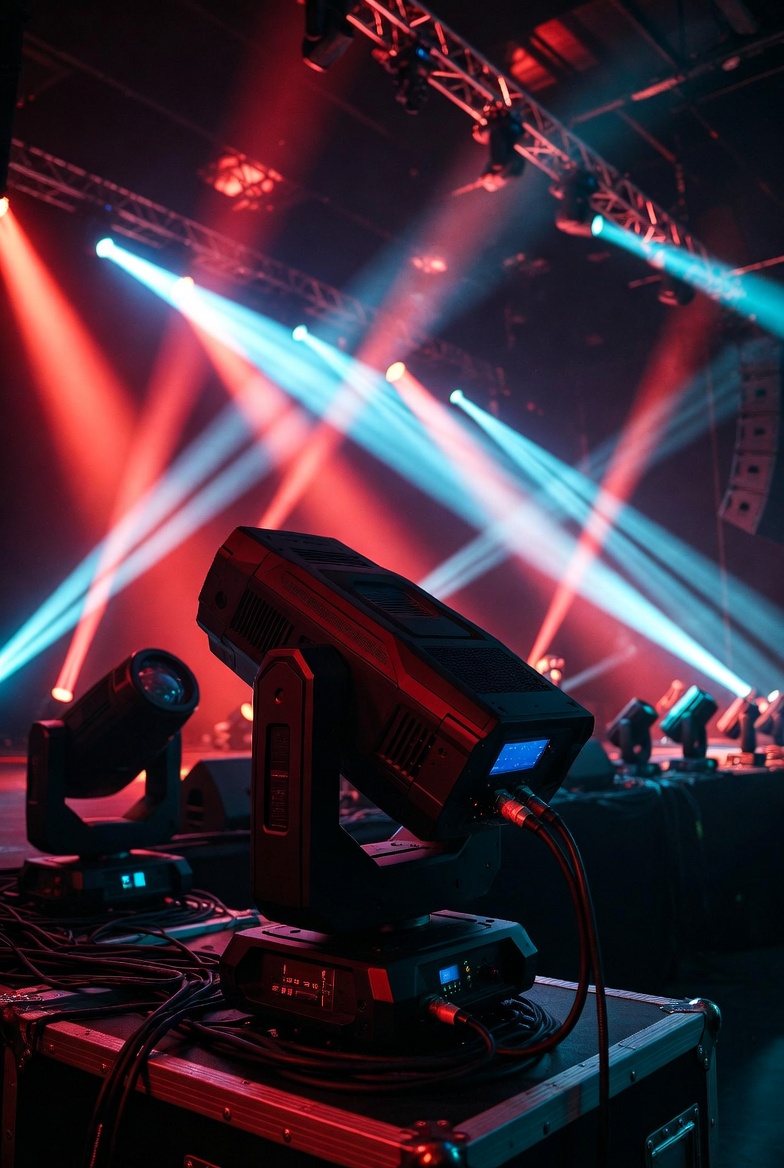
DMX Fixtures: These are the lights themselves—LED par cans, moving heads, wash lights, spotlights, strobes, and effects lights. Each fixture type serves different purposes, and modern LED technology has made DMX fixtures more energy-efficient, versatile, and affordable than ever before.
DMX Cables: Proper cabling is crucial for reliable signal transmission. While DMX cables may look similar to audio XLR cables, they’re specifically designed with 120-ohm impedance for DMX signals. Using proper DMX cables prevents signal issues and ensures reliable performance.
DMX Splitters and Boosters: For larger installations, these devices help maintain signal integrity. Splitters allow you to branch your DMX signal to multiple fixture chains, while boosters regenerate the signal for longer cable runs.
DMX Terminators: A 120-ohm terminator plugged into the last fixture in your chain prevents signal reflection and ensures stable operation, especially in longer cable runs.
Applications of
The versatility of DMX lighting has made it indispensable across numerous industries and applications. Understanding these use cases can inspire your own lighting projects and help you appreciate the system’s full potential.
Live Events and Concerts: DMX lighting creates the dynamic, synchronized light shows that define modern concerts and festivals. From subtle mood lighting to explosive strobing effects, DMX allows lighting designers to craft experiences that enhance musical performances and engage audiences on a visceral level.
Theater and Performing Arts: Theatrical productions rely on DMX for precise control over spotlights, wash lights, and special effects. The ability to program complex cue sequences ensures consistent lighting for every performance while allowing for real-time adjustments during live shows.
Houses of Worship: Modern worship services increasingly incorporate professional lighting to create meaningful atmospheres. DMX systems allow technical teams to transition smoothly between different service segments, highlight speakers, and create immersive worship experiences.
Corporate Events and Trade Shows: Businesses use DMX lighting to create professional presentations, product launches, and booth displays that capture attention and convey brand identity through carefully designed lighting schemes.
Nightclubs and Entertainment Venues: The club scene has embraced DMX technology for creating energetic, ever-changing light shows that respond to music and maintain high energy throughout the night.
Architectural Lighting: Buildings, bridges, and public spaces use DMX-controlled LED systems for dramatic facade lighting, enabling color-changing displays for special events, holidays, or simply to create striking nighttime aesthetics.
Choosing the Right DMX Lighting Equipment
Selecting appropriate DMX equipment requires careful consideration of your specific needs, budget, and technical requirements. Here are key factors to evaluate when making purchasing decisions.
Assess Your Control Needs: Determine how many fixtures you’ll be controlling and how complex your programming needs are. A small mobile DJ setup might only need a basic controller with 192 channels, while a theater or large venue requires a full-featured console with multiple universes and extensive programming capabilities.
Consider Fixture Types: LED fixtures have become the industry standard due to their energy efficiency, color-mixing capabilities, and long lifespan. Moving head fixtures provide maximum versatility but come at a higher price point. Static fixtures like LED par cans offer excellent value for wash lighting applications.
Plan for Expansion: Choose systems that can grow with your needs. Look for controllers that support multiple DMX universes and fixtures that can be easily integrated into larger systems.
Quality and Reliability: Professional-grade equipment from reputable manufacturers ensures consistent performance and longevity. While budget options exist, investing in quality equipment pays dividends in reliability and reduced maintenance.
Sarlux Electronics: Your Partner in Professional Lighting Solutions
When it comes to sourcing high-quality DMX lighting equipment and components, Sarlux Electronics has established itself as a trusted name in the industry. Specializing in professional lighting solutions, Sarlux Electronics offers a comprehensive range of DMX controllers, LED fixtures, cables, and accessories designed to meet the demands of both professionals and enthusiasts.
What sets Sarlux Electronics apart is their commitment to providing not just products, but complete solutions. Their technical expertise helps customers select the right equipment for specific applications, ensuring optimal performance and value. Whether you’re outfitting a small performance space or designing a complex installation for a major venue, Sarlux Electronics provides the products and support necessary for success.
The company’s product line includes everything from entry-level DMX controllers perfect for learning the basics to professional-grade consoles used in major productions worldwide. Their LED fixtures incorporate the latest technology, offering brilliant color mixing, smooth dimming, and reliable operation that lighting professionals demand.
Programming and Operating DMX Lighting Systems
Mastering DMX programming opens up creative possibilities and ensures you can execute your lighting vision effectively. While DMX systems can seem complex initially, understanding fundamental programming concepts makes operation intuitive.
Setting DMX Addresses: Each fixture must be assigned a unique starting address that doesn’t overlap with other fixtures’ channel allocations. Modern fixtures include digital displays or DIP switches for easy address setting.
Creating Scenes and Cues: Scenes are static lighting states—specific colors, positions, and intensities frozen in time. Cues are sequences of scenes with timing information. Building a show involves creating individual scenes and then programming transitions between them.
Using Channels and Groups: Organizing fixtures into groups allows you to control multiple lights simultaneously. This dramatically speeds up programming and makes live operation more manageable.
Fade Times and Effects: Programming smooth transitions between scenes requires setting appropriate fade times. DMX systems also offer built-in effects like color chases, movement patterns, and intensity effects that can be applied to individual fixtures or groups.
Troubleshooting Common DMX Issues
Even well-designed DMX systems occasionally experience issues. Understanding common problems and their solutions ensures minimal downtime and frustration.
Flickering or Erratic Behavior: Often caused by poor cable connections, interference, or missing termination. Check all connections, ensure proper DMX cables are used, and add a terminator to the last fixture in your chain.
No Response from Fixtures: Verify DMX addresses are set correctly, cables are properly connected, and fixtures are receiving power. Check that your controller is outputting DMX signal and that you’re controlling the correct channels.
Signal Loss Over Distance: For cable runs exceeding 1,000 feet, use a DMX splitter or booster to regenerate the signal. Ensure you’re using proper DMX cables rather than audio cables.
Intermittent Control: Loose connections or damaged cables often cause intermittent issues. Systematically check each connection point and replace suspect cables.
The Future of DMX Lighting
The DMX protocol continues evolving to meet modern demands. DMX512-A, the updated standard, maintains backward compatibility while providing enhanced specifications. Meanwhile, newer protocols like RDM (Remote Device Management) allow bidirectional communication, enabling remote configuration and diagnostics.
Wireless DMX systems have matured significantly, offering reliable cable-free operation for challenging installations. Integration with architectural control systems, smartphone apps, and computer-based lighting design software continues expanding what’s possible with DMX lighting.
LED technology advances continually improve fixture capabilities, offering better color rendering, higher output, and more effects in increasingly compact packages. As LED costs decrease and efficiency improves, DMX-controlled LED systems become accessible to wider audiences.
Getting Started with DMX Lighting
For those new to DMX lighting, starting with a simple system helps build understanding before tackling complex installations. A basic starter setup might include a small DMX controller, four LED par cans, appropriate cables, and a terminator. This configuration provides enough functionality to learn addressing, programming, and operation fundamentals.
Online resources, manufacturer tutorials, and community forums offer valuable learning opportunities. Many lighting professionals recommend hands-on experimentation as the best learning method—there’s no substitute for actually programming scenes, adjusting timing, and seeing how different settings affect your lighting design.
Consider starting with preset programs and effects before diving into custom programming. Most controllers include built-in programs that demonstrate capabilities and provide templates you can modify for your needs.
Conclusion
DMX lighting represents the professional standard for controllable lighting across entertainment, architectural, and commercial applications. Its flexibility, reliability, and scalability make it suitable for projects ranging from small mobile setups to permanent installations in major venues. Understanding DMX fundamentals empowers you to create sophisticated lighting designs that enhance events, performances, and spaces.
Whether you’re a lighting professional expanding your toolkit, a venue owner upgrading your system, or an enthusiast exploring creative lighting possibilities, DMX technology offers the control and versatility needed to bring your vision to life. With reputable suppliers like Sarlux Electronics providing quality equipment and expert support, building professional-grade DMX lighting systems has never been more accessible.
The investment in learning DMX lighting and acquiring proper equipment pays dividends through enhanced productions, more engaging experiences, and the satisfaction of mastering this powerful creative tool. As technology continues advancing and costs decrease, now is an excellent time to embrace DMX lighting and discover what’s possible when you have complete control over light itself.