
Smart Lighting Automation-The Complete Guide to Intelligent Home and Office Lighting
Introduction: Why Smart Lighting Automation Is Changing the Way We Live.
Imagine walking into your home and having the lights automatically adjust to your preferred brightness, color temperature, and mood — all without touching a single switch. That is the promise of smart lighting automation, and in 2025 it is no longer a luxury reserved for tech enthusiasts. It has become an accessible, energy-saving solution for homeowners, businesses, and property managers around the world.
Smart lighting automation refers to the use of intelligent devices, sensors, software, and connectivity to control lighting systems automatically or remotely. It goes far beyond simply dimming a bulb from your phone. Modern systems can detect occupancy, respond to natural daylight, follow preset schedules, integrate with voice assistants, and even adapt to your daily routines using artificial intelligence.
According to industry research, the global smart lighting market is projected to exceed $38 billion by 2028, driven by rising energy costs, growing environmental awareness, and the rapid expansion of the Internet of Things (IoT). Whether you are upgrading a single room or designing an entire smart building, understanding smart lighting automation is essential in today’s connected world.
In this comprehensive guide, we cover everything — from the fundamental technology behind smart lighting to practical tips for installation, the best systems available today, and how to maximise your energy savings and comfort.
What Is Smart Lighting Automation?
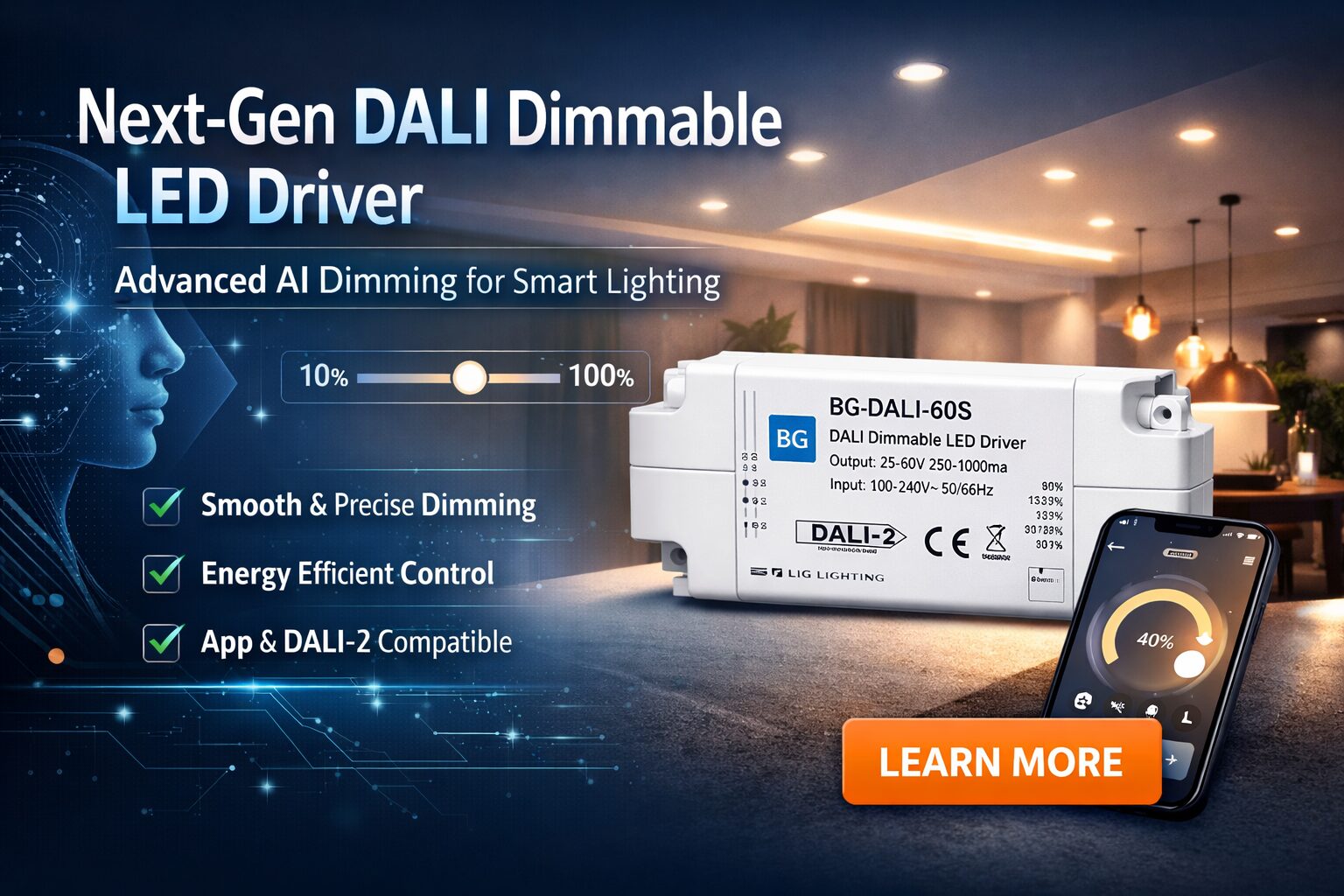
Smart lighting automation is an integrated system that uses connected devices to manage lighting automatically, remotely, or according to pre-programmed rules. Unlike traditional lighting, which requires manual operation, smart systems can be controlled via smartphones, voice commands, motion sensors, timers, or artificial intelligence algorithms.
Key Components of a Smart Lighting System
- Smart Bulbs and Fixtures: LED bulbs with built-in Wi-Fi, Zigbee, or Z-Wave radios that receive commands wirelessly.
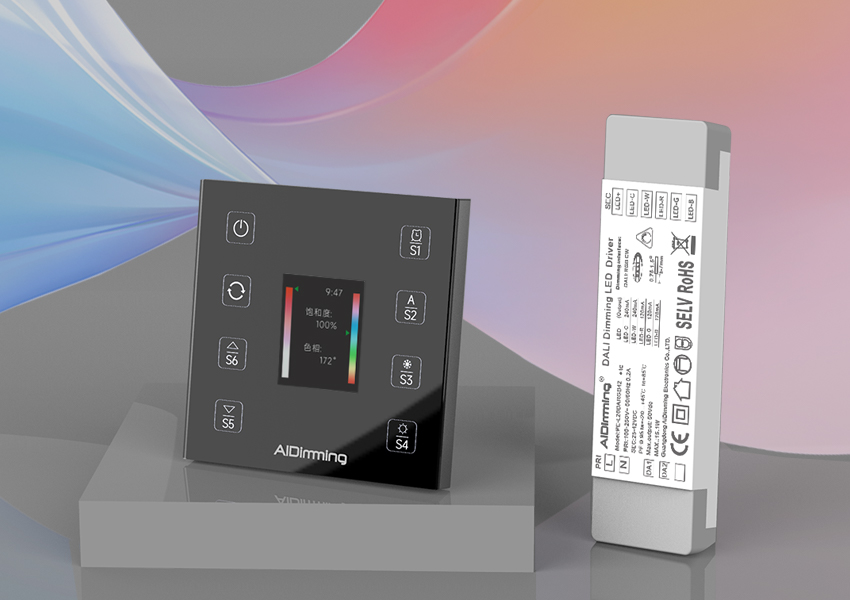
- Smart Switches and Dimmers: Wall-mounted controls that replace standard switches and connect to your home network.
- Occupancy and Motion Sensors: Devices that detect human presence and turn lights on or off automatically.
- Daylight Sensors (Photocells): Measure ambient light levels and adjust artificial lighting to maintain consistent illumination.
- Smart Hub or Controller: A central brain that connects all devices and allows them to communicate with each other.
- Mobile App or Voice Interface: Software platforms that let users set schedules, scenes, and automations from anywhere.
These components work together through communication protocols such as Zigbee, Z-Wave, Wi-Fi, Bluetooth, or the emerging Matter standard, which aims to unify smart home device compatibility across brands.
How Smart Lighting Automation Works
At its core, smart lighting automation relies on a combination of sensors, connectivity, and software logic to create dynamic lighting environments. Here is a step-by-step breakdown of how a typical system operates:
- Data Collection: Sensors gather information about occupancy, natural light levels, time of day, and user preferences.
- Processing: The smart hub or cloud server processes this data and compares it against user-defined rules and schedules.
- Decision Making: The system determines the appropriate lighting response — turning lights on or off, adjusting brightness, or changing color temperature.
- Execution: Commands are sent wirelessly to the relevant bulbs, fixtures, or switches, which carry out the instruction instantly.
- Feedback and Learning: Advanced systems with AI capabilities learn from usage patterns over time, anticipating needs without manual input.
For example, a smart lighting system in an office building might detect through motion sensors that a conference room is empty, automatically dimming the lights to a standby level. When a meeting begins and occupants enter, the system restores full brightness and even adjusts the color temperature to support concentration and alertness.
Top Benefits of Smart Lighting Automation
1. Significant Energy Savings
One of the most compelling advantages of smart lighting is energy efficiency. Studies show that smart lighting systems can reduce lighting-related energy consumption by 30 to 70 percent compared to conventional setups. Occupancy sensors prevent lights from being left on in empty rooms, while daylight harvesting automatically reduces artificial light when sunlight is sufficient. LED bulbs, combined with dimming capabilities, further cut electricity usage and extend bulb lifespan significantly.
2. Enhanced Comfort and Wellbeing
Smart lighting allows you to create personalised lighting environments that match your mood, activities, and time of day. Research in circadian lighting shows that the right light at the right time can improve sleep quality, boost alertness, reduce eye strain, and even positively impact mental health. Tunable white lighting systems can transition from cool, energising morning light to warm, relaxing evening tones automatically, supporting the body’s natural rhythms.
3. Increased Security and Safety
Smart lighting integrates seamlessly with home and commercial security systems. Automated exterior lights that activate when motion is detected deter intruders. Vacation mode settings simulate occupancy while you are away, making an empty property appear inhabited. Smart lights can also be linked to smoke detectors or alarm systems, flashing to alert occupants during emergencies and guiding them to safety.
4. Remote Access and Control
Whether you are in another room or on the other side of the world, smart lighting gives you full control through a smartphone app. Forgot to turn off the lights before leaving? Open your app and switch them off instantly. Heading home and want the house to be well-lit when you arrive? Activate your arrival scene with a single tap. This level of remote control is especially valuable for property managers overseeing multiple locations.
5. Integration with Smart Home Ecosystems
Smart lighting does not operate in isolation. It integrates with broader smart home platforms including Amazon Alexa, Google Home, Apple HomeKit, Samsung SmartThings, and more. This interoperability means lighting can be woven into complex automation routines — lights that dim when you start a movie, brighten when your alarm goes off, or turn red when your doorbell is pressed.
6. Cost Savings Over Time
While the upfront cost of smart lighting components can be higher than traditional alternatives, the long-term financial benefits are substantial. Lower electricity bills, reduced maintenance costs due to longer-lasting LED technology, and potential incentives or rebates from energy providers all contribute to a strong return on investment, typically within two to four years for residential installations.
Types of Smart Lighting Automation Systems
Smart lighting solutions vary based on scale, budget, and use case. Here are the primary categories:
Residential Smart Lighting
Designed for homes and apartments, residential systems prioritise ease of installation, user-friendly apps, and aesthetic flexibility. Popular solutions include Philips Hue, LIFX, Nanoleaf, and Lutron Caseta. These systems allow homeowners to control individual bulbs, create mood-setting scenes, and automate lighting based on schedules or sensors without professional installation.
Commercial Smart Lighting
Commercial systems are built for offices, retail spaces, warehouses, and public buildings. They prioritise energy management, centralised control, and compliance with building codes. Systems from manufacturers such as Signify (formerly Philips Lighting), Cree Lighting, Acuity Brands, and Lutron offer robust daylight harvesting, occupancy-based controls, and integration with building management systems (BMS).
Industrial Smart Lighting
Industrial facilities such as factories, warehouses, and logistics centres require durable, high-intensity lighting that can withstand harsh environments. Smart industrial lighting focuses on occupancy-triggered high-bay controls, task-specific illumination, and integration with safety systems to reduce energy waste in large, complex spaces.
Outdoor and Landscape Lighting Automation
Smart outdoor lighting automates garden lights, pathway illumination, security floodlights, and street lighting. These systems use dusk-to-dawn sensors, astronomical timers, and motion detection to operate efficiently. Smart city initiatives worldwide are deploying connected streetlights that can dim during low-traffic hours and brighten on demand, delivering massive energy savings for municipalities.
Best Smart Lighting Systems in india
Choosing the right smart lighting system depends on your budget, compatibility requirements, and desired features. Here are some of the top-rated options on the market today:
- Philips Hue: The industry gold standard for residential smart lighting. Offers an extensive range of bulbs, fixtures, and accessories. Compatible with all major voice assistants and smart home platforms. Zigbee-based with a dedicated Hue Bridge.
- LIFX: Wi-Fi native bulbs that require no hub. Known for exceptional colour accuracy and brightness. Easy setup with a straightforward app and broad platform integration.
- Lutron Caseta: Preferred by electricians and custom installers. Highly reliable smart switches and dimmers with their own Clear Connect RF protocol, ensuring minimal interference. Excellent for whole-home installations.
- Nanoleaf: Best known for modular, artistic LED panels and light strips. Ideal for accent lighting, gaming setups, and creative spaces. Supports Thread and Matter protocols.
- Govee: A budget-friendly option with a wide range of LED strips, floor lamps, and ceiling lights. Strong app and Alexa/Google Home integration at an accessible price point.
- Sengled: Offers affordable smart bulbs with built-in Zigbee support. Works seamlessly with Amazon Echo Plus and SmartThings as the hub, making it a cost-effective choice for Echo users.
How to Set Up Smart Lighting Automation: A Step-by-Step Guide
Getting started with smart lighting is more accessible than ever. Follow these steps for a successful installation:
- Define Your Goals: Decide what you want to achieve — energy savings, convenience, security, ambience, or all of the above. This helps you choose the right system and components.
- Assess Your Space: Evaluate the size, layout, and existing electrical infrastructure of the area you want to automate. Identify which rooms or zones require smart control.
- Choose a Platform: Select a smart home ecosystem (e.g., Amazon Alexa, Google Home, Apple HomeKit) and ensure your chosen lighting products are compatible with it.
- Select Your Protocol: Decide between Wi-Fi, Zigbee, Z-Wave, or Matter-based products. Zigbee and Z-Wave require a hub but offer greater reliability; Wi-Fi-based bulbs are hub-free but can strain your network.
- Install Hardware: Replace existing bulbs or switches with smart alternatives. Most smart bulbs are plug-and-play; smart switches may require rewiring by a qualified electrician.
- Set Up the App and Hub: Download the manufacturer’s app, connect any required hub to your router, and follow the setup wizard to pair all devices.
- Create Automations and Scenes: Set up schedules, motion-triggered routines, and lighting scenes (e.g., Morning, Movie Night, Away). Explore the platform’s automation rules to maximise convenience.
- Integrate with Other Devices: Connect your lighting system to smart speakers, security cameras, thermostats, and other smart devices to build comprehensive home automation routines.
- Monitor and Optimise: Use your app’s energy monitoring features (where available) to track consumption, identify opportunities for further savings, and refine your automations over time.
Smart Lighting Automation for Energy Efficiency and Sustainability
As global energy prices rise and climate concerns intensify, smart lighting automation stands out as one of the most impactful tools for reducing both carbon footprints and utility bills. Here is how it contributes to a more sustainable future:
- Daylight Harvesting: Systems equipped with daylight sensors automatically dim artificial lights when sufficient natural light is available, maintaining target illumination levels while minimising electricity use.
- Occupancy-Based Control: Lights only activate when spaces are occupied. In commercial buildings with many underused rooms and corridors, this alone can cut lighting energy use by 30 to 50 percent.
- LED Integration: Smart systems pair with energy-efficient LED technology that uses up to 80 percent less energy than incandescent bulbs and lasts 25 times longer.
- Demand Response: Advanced smart lighting systems can participate in utility demand response programmes, automatically reducing consumption during peak grid demand periods in exchange for billing incentives.
- Energy Monitoring and Reporting: Many systems provide detailed data on lighting energy consumption, enabling facility managers to identify waste, benchmark performance, and report on sustainability metrics.
For businesses pursuing LEED, BREEAM, or other green building certifications, smart lighting automation is often a key contributing strategy for achieving required energy performance credits.
Common Challenges and How to Overcome Them
While smart lighting offers numerous benefits, there are challenges to be aware of:
- Compatibility Issues: Not all smart lighting products work with every hub or voice assistant. Solution: Research compatibility before purchasing and opt for Matter-certified devices where possible, as Matter is designed to work across ecosystems.
- Network Congestion: Wi-Fi-based smart bulbs can overload home networks in large installations. Solution: Use mesh-based protocols like Zigbee or Z-Wave for larger deployments, or invest in a robust Wi-Fi 6 router.
- Initial Cost: The upfront investment can be significant compared to conventional lighting. Solution: Start small with high-priority areas and expand over time. Look for bundle deals and energy rebate programmes from your utility provider.
- Privacy and Security Concerns: Connected devices can be vulnerable to cyber threats. Solution: Keep firmware updated, use strong unique passwords, enable two-factor authentication, and choose reputable brands with strong security track records.
- Dependence on Internet Connectivity: Some systems require cloud connectivity to function fully. Solution: Prefer locally-controlled systems or those with local fallback modes, so basic functions work even without internet access.
The Future of Smart Lighting Automation
The smart lighting industry is evolving rapidly, with several exciting trends set to define the next decade:
- AI-Powered Personalisation: Machine learning algorithms will increasingly predict and adapt to individual lighting preferences without any manual input, creating truly intelligent environments.
- Li-Fi Technology: Using light waves to transmit data, Li-Fi could transform smart bulbs into wireless internet access points, converging lighting infrastructure with communications networks.
- Human-Centric Lighting (HCL): Growing scientific understanding of how light affects human health will drive broader adoption of dynamic lighting systems tuned to support occupants’ biological rhythms throughout the day.
- Integration with Renewable Energy: Smart lighting will increasingly coordinate with solar panels, home batteries, and smart grids to optimise energy use based on real-time generation and pricing data.
- Matter Standard Maturity: As the Matter protocol matures and gains broader adoption, smart lighting will become even more interoperable, simplifying setup and expanding the ecosystem of compatible devices.
- Smart City Integration: Urban smart lighting networks will play a central role in smart city infrastructure, linking with traffic management, environmental monitoring, public safety systems, and emergency services.
Conclusion: Is Smart Lighting Automation Right for You?
Smart lighting automation is no longer a futuristic concept — it is a practical, proven technology that delivers real benefits for homes, businesses, and communities. From meaningful energy savings and enhanced security to personalised comfort and seamless integration with the broader smart home ecosystem, the advantages are compelling and growing with every passing year.
Whether you are taking your first steps with a single smart bulb or planning a whole-building automation project, the key is to start with clear goals, choose compatible products, and build your system incrementally. The investment in smart lighting pays dividends in lower energy bills, improved quality of life, and a reduced environmental impact.
As the technology continues to evolve — with AI personalisation, the Matter standard, and human-centric lighting leading the way — there has never been a better time to make the switch to smart lighting automation. Your future self, enjoying perfectly lit spaces at a fraction of today’s energy costs, will thank you.
Frequently Asked Questions About Smart Lighting Automation
What is the difference between smart lighting and automated lighting?
Smart lighting refers to lighting systems that can be remotely controlled via app or voice. Automated lighting takes this further by using sensors, schedules, and rules to control lights without any manual input at all. Most modern smart lighting systems include both capabilities.
Do smart lights work without the internet?
Many smart lighting systems have local control features that allow basic functions to work even without internet access. However, remote control, voice assistants, and cloud-based automations typically require an active internet connection.
How much can I save on my electricity bill with smart lighting?
Savings vary by usage, but most households save between 20 and 50 percent on lighting-related electricity costs after switching to smart LED lighting with automation. Commercial buildings can often achieve even greater savings through daylight harvesting and occupancy-based controls.
Is smart lighting hard to install?
Smart bulbs are incredibly easy to install — simply screw them in and connect them via an app. Smart switches and dimmers are slightly more involved and may require a neutral wire and basic electrical knowledge. For whole-home or commercial installations, professional installation is recommended.
What is the best smart lighting protocol in 2025?
Matter, with Thread networking, is increasingly the recommended choice for new smart lighting setups in 2025 due to its cross-platform compatibility and local control capabilities. Zigbee remains a solid, proven option for existing ecosystems, while Wi-Fi-based systems are convenient for smaller installations.