

Home Automation Solutions in India
Home automation is no longer a luxury reserved for tech enthusiasts or luxury homeowners—it has become an accessible reality for millions of Indian households. As India embraces digital transformation, smart home technology is revolutionizing the way we live, offering unprecedented convenience, enhanced security, and significant energy savings.
The Indian home automation market is experiencing exponential growth, projected to reach USD 6.7 billion by 2026. From Mumbai’s high-rise apartments to Delhi’s independent homes, Bangalore’s tech-savvy residents to Chennai’s growing middle class, smart home solutions are transforming living spaces across the country.
What is Home Automation?
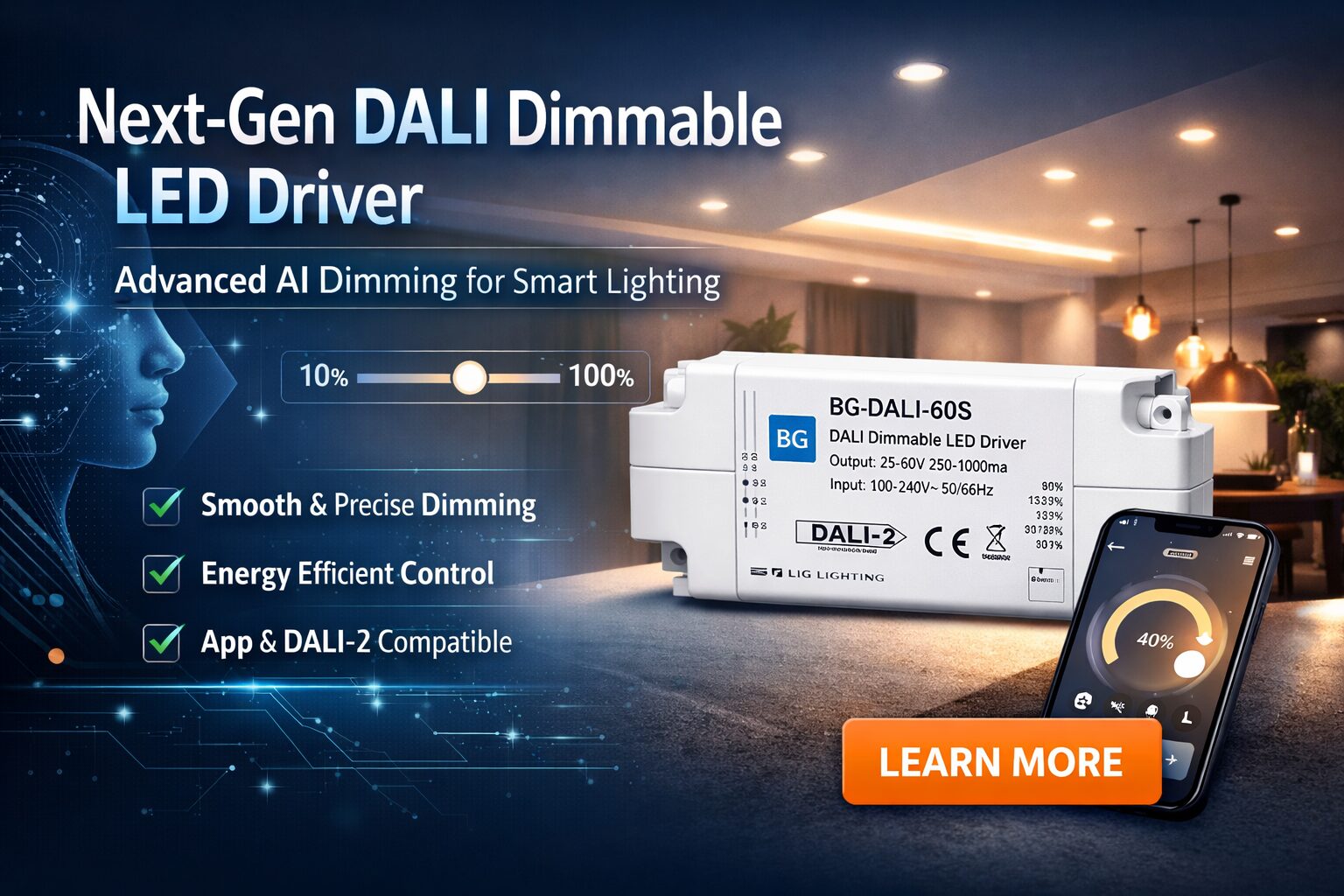
Home automation, also known as smart home technology or domotics, refers to the automatic control of electronic devices in your home. These devices connect to the internet, allowing you to control them remotely through smartphones, tablets, or voice commands. The system integrates various household functions—lighting, climate control, security, entertainment, and appliances—into a unified network that learns your preferences and optimizes your home environment.
In the Indian context, home automation addresses specific challenges such as power management during frequent outages, enhanced security in densely populated areas, and the ability to control home systems remotely—especially valuable for joint families or those caring for elderly parents.
Why Home Automation is Booming in India
1. Rising Smartphone Penetration
With over 750 million smartphone users in India, the infrastructure for smart home control is already in place. Most Indian households now have at least one smartphone, making app-based home control accessible to a broad demographic. The widespread availability of affordable Android devices has democratized access to smart home technology.
2. Affordable Internet and 5G Revolution
India’s digital revolution, spearheaded by affordable data plans and expanding 5G networks, has made connected devices more practical and reliable. With some of the world’s cheapest data rates and improving network infrastructure, streaming video from security cameras, controlling devices remotely, and maintaining stable connections has become seamless even in tier-2 and tier-3 cities.
3. Growing Middle Class and Disposable Income
India’s expanding middle class, expected to reach 580 million by 2030, has increasing disposable income to invest in home improvement technologies. Young professionals, dual-income households, and tech-savvy millennials are driving demand for smart home solutions that offer convenience and status.
4. Energy Efficiency and Cost Savings
With rising electricity costs and growing environmental consciousness, Indian consumers are increasingly interested in energy-efficient solutions. Smart thermostats, automated lighting, and intelligent power management systems can reduce electricity bills by 20-30%, offering substantial long-term savings that justify the initial investment.
5. Security Concerns
Urban India faces unique security challenges, from high-rise apartment security to protecting elderly parents living alone. Smart security systems offering real-time monitoring, instant alerts, and remote access provide peace of mind for families, especially those with members traveling frequently or living abroad.
Essential Home Automation Solutions for Indian Homes
Smart Lighting Systems
Smart lighting is often the gateway to home automation for Indian households due to its affordability and immediate benefits. These systems allow you to control lights remotely, set schedules, adjust brightness, and change colors to suit different moods or occasions.
Popular Options:
- Philips Hue (Premium option, ₹5,000-15,000 for starter kits)
- Syska Smart Lights (Affordable Indian brand, ₹500-2,000)
- Wipro Smart Bulbs (Budget-friendly, ₹400-1,500)
- Xiaomi Yeelight (Mid-range, ₹800-3,000)
Benefits: Reduce electricity consumption by up to 80% compared to traditional bulbs, create ambiance for festivals like Diwali or parties, schedule lights to simulate presence when traveling, and control entire home lighting with voice commands.
Smart Security Systems
Security is a top priority for Indian homeowners, making smart security systems one of the most popular automation categories. Modern systems integrate cameras, doorbells, locks, and sensors into comprehensive security solutions.
Components:
- Smart Video Doorbells: See and communicate with visitors remotely (Ring, Qubo, CP Plus Smart Doorbell)
- IP Security Cameras: Monitor your home 24/7 with cloud storage and AI-powered motion detection (Godrej Smart Cameras, Realme Security Camera, Mi 360°)
- Smart Door Locks: Keyless entry with fingerprint, PIN, or smartphone control (Yale Smart Locks, Godrej Advantis, Ozone Smart Lock)
- Motion Sensors and Alarms: Detect unauthorized entry and send instant alerts (Zebronics, Xiaomi Motion Sensors)
Price Range: ₹2,000 for basic camera systems to ₹50,000+ for comprehensive multi-device setups with professional installation.
Smart Climate Control
Given India’s diverse climate—from extreme summers in North India to humid coastal regions—smart climate control offers significant comfort and energy savings. Smart ACs and thermostats learn your preferences and optimize cooling patterns.
Solutions:
- Smart AC Controllers: Convert existing ACs into smart devices (Cielo Breez, Sensibo, Ambi Climate)
- Smart ACs: Built-in WiFi connectivity (LG ThinQ, Samsung SmartThings, Voltas Smart AC)
- Smart Fans: Energy-efficient ceiling fans with remote control (Atomberg, Havells, Orient)
- Smart Thermostats: Rare in India but available (Nest Thermostat, Ecobee)
Energy Savings: Smart climate control can reduce cooling costs by 25-40% through optimized scheduling, geo-fencing (turning off AC when you leave), and temperature management.
Smart Plugs and Switches
The most cost-effective entry into home automation, smart plugs and switches transform ordinary appliances into smart devices without replacing them. These are particularly valuable in Indian homes where appliances are built to last and replacing them entirely isn’t practical.
Popular Brands:
- Amazon Smart Plug (₹999)
- TP-Link Kasa Smart Plug (₹1,299)
- Oakter Smart Plugs (₹899)
- Wipro Next Smart Switches (₹1,500-3,000)
- GM Modular Smart Switches (₹2,000-5,000)
Use Cases: Control water heaters remotely, automate geysers before you wake up, schedule water pumps during off-peak hours, monitor energy consumption of individual appliances, and create automated routines for common tasks.
Voice Assistants and Smart Speakers
Voice control has become increasingly popular in India, with smart speakers serving as central hubs for home automation. These devices now support Hindi and other regional languages, making them accessible to non-English speakers.
Top Options:
- Amazon Echo Series: Alexa supports Hindi, Tamil, and other languages (₹3,499-14,999)
- Google Nest Audio/Mini: Google Assistant with multilingual support (₹4,499-9,999)
- Apple HomePod Mini: Premium option for iOS users (₹9,900)
Voice Commands in Indian Context: “Alexa, geyser on kar do” (turn on the geyser), “OK Google, bedroom ki light band kar do” (turn off bedroom light), control home devices in Hindi, set reminders for prayer times or TV shows, and play regional music and podcasts.
Smart Appliances

Modern Indian homes are increasingly adopting smart appliances that offer convenience and efficiency suited to local needs.
Categories:
- Smart Refrigerators: With inventory management and door cameras (Samsung Family Hub, LG InstaView)
- Smart Washing Machines: Remote start, cycle notifications, and AI-powered washing (IFB, Bosch, Samsung)
- Smart Water Purifiers: Filter life monitoring and remote diagnostics (Kent Smart, Livpure Smart)
- Smart TV: Integrated smart home control hubs (Sony Bravia, Samsung QLED, OnePlus TV)
- Robot Vacuum Cleaners: Automated cleaning for busy households (iRobot Roomba, Mi Robot Vacuum, Ecovacs)
Price Range: ₹15,000 for smart washing machines to ₹2,00,000+ for premium smart refrigerators.
Leading Home Automation Brands in India
International Brands
- Amazon Alexa Ecosystem: Wide device compatibility, extensive voice control capabilities, strong customer support in India
- Google Home/Nest: Superior AI integration, excellent voice recognition including Indian accents, competitive pricing
- Philips Hue: Premium smart lighting solutions, extensive color options, reliable performance
- Samsung SmartThings: Comprehensive ecosystem, great for Samsung appliance owners, robust app interface
- Xiaomi (Mi Ecosystem): Best value for money, wide product range, strong presence in India
Indian Brands
- Oakter: Affordable switches and plugs designed for Indian electrical systems, no hub required
- Wipro Smart Lighting: Trusted Indian brand, budget-friendly options, reliable after-sales service
- Syska Smart Home: Extensive product range from lighting to security, competitive pricing
- Goldmedal Electricals: Premium smart switches designed for Indian homes, aesthetic designs
- Havells Smart Living: Smart fans, lighting, and switches, strong distribution network
- Qubo (Hero Group): Affordable security cameras and smart devices, made-for-India approach
Premium Solution Providers
- Schneider Electric Wiser: Professional-grade solutions, excellent for large homes and commercial spaces
- Legrand Arteor: Luxury smart home solutions, designer switches and panels
- Crestron/Control4: Ultra-premium whole-home automation, custom installations for luxury residences
Cost of Home Automation in India
Home automation in India is now accessible across various budget segments. Here’s a realistic breakdown:
Budget Setup (₹15,000 – ₹50,000)
- Smart plugs for 5-6 appliances: ₹5,000-8,000
- Smart bulbs for 8-10 lights: ₹6,000-10,000
- One smart speaker: ₹4,000-5,000
- Basic security camera: ₹2,000-3,000
Best for: Renters, first-time buyers, or those testing home automation before full commitment.
Mid-Range Setup (₹50,000 – ₹1,50,000)
- Smart switches for entire home: ₹30,000-50,000
- Smart lighting system: ₹20,000-30,000
- Security system with 3-4 cameras: ₹25,000-40,000
- Smart AC controller: ₹10,000-15,000
- Smart door lock: ₹8,000-12,000
- Voice assistants (2-3 speakers): ₹10,000-15,000
Best for: 2-3 BHK apartments, homeowners looking for comprehensive automation, families prioritizing security and convenience.
Premium Setup (₹1,50,000 – ₹5,00,000+)
- Professional installation and integration: ₹50,000-1,00,000
- Premium smart switches and panels: ₹60,000-1,50,000
- Comprehensive security with 6-8 cameras: ₹60,000-1,20,000
- Multi-zone climate control: ₹40,000-80,000
- Motorized curtains and blinds: ₹40,000-1,00,000
- Home theater integration: ₹50,000-1,50,000
- Smart appliances: ₹1,00,000-2,00,000
Best for: Luxury villas, large independent houses (4+ BHK), tech enthusiasts wanting cutting-edge solutions, complete home renovation projects.
DIY vs Professional Installation: What’s Right for You?
DIY Installation
Suitable for:
- Smart plugs and bulbs (plug-and-play)
- WiFi security cameras
- Smart speakers and displays
- Basic smart locks
Advantages: Cost savings (no installation charges), immediate setup, flexibility to experiment, easy to relocate when moving homes.
Considerations: Limited to plug-and-play devices, may require basic technical knowledge, troubleshooting is your responsibility.
Professional Installation
Required for:
- Smart switches (requires electrical wiring)
- Whole-home automation systems
- Central control systems (Crestron, Control4)
- Multi-room audio/video systems
- Motorized curtains and blinds
Advantages: Professional expertise ensures safe electrical work, integrated system design, warranty and after-sales support, time-saving, optimized device placement.
Cost: Professional installation typically adds 15-30% to equipment costs, ranging from ₹5,000 for basic setups to ₹1,00,000+ for comprehensive systems.
Challenges and Solutions for Home Automation in India
Internet Connectivity Issues
Challenge: Inconsistent broadband and WiFi coverage, especially in older buildings with thick concrete walls.
Solution: Invest in mesh WiFi systems (TP-Link Deco, Google Wifi, Netgear Orbi), use devices that support 2.4GHz (better range than 5GHz), consider devices with offline functionality for critical systems like locks.
Power Fluctuations and Outages
Challenge: Many Indian cities experience voltage fluctuations and power cuts that can damage sensitive smart devices.
Solution: Use voltage stabilizers for expensive equipment, invest in UPS systems for critical devices like security cameras and routers, choose devices with wide voltage tolerance (160-280V), enable battery backup options where available.
Compatibility Issues
Challenge: Different devices use different protocols (WiFi, Zigbee, Z-Wave), leading to compatibility headaches.
Solution: Build your ecosystem around one platform (Alexa, Google Home, or Apple HomeKit), check “Works with Alexa/Google” certifications before purchasing, consider hub devices that support multiple protocols.
Privacy and Security Concerns
Challenge: Smart devices collect data and can be vulnerable to hacking if not properly secured.
Solution: Use strong, unique passwords for each device and account, enable two-factor authentication wherever available, keep firmware updated, create a separate guest network for smart devices, buy from reputable brands with strong security records, review privacy policies before purchasing.
After-Sales Service
Challenge: Limited local support for international brands, especially in tier-2 and tier-3 cities.
Solution: Prioritize brands with strong Indian presence, check warranty terms before purchase, join online communities and forums for troubleshooting advice, consider extended warranties for expensive equipment.
Future of Home Automation in India
AI and Machine Learning Integration
Smart homes are becoming truly intelligent, learning occupant patterns and preferences. AI-powered systems will predict your needs—adjusting temperature before you arrive home, ordering groceries before you run out, detecting unusual activity patterns that might indicate health issues, especially valuable for elderly care.
Matter Protocol Revolution
The Matter protocol, backed by Google, Apple, Amazon, and Samsung, promises universal compatibility across smart home devices. This means an end to “works with Alexa but not Google Home” limitations, making it easier for Indian consumers to build diverse smart home ecosystems without compatibility concerns.
Regional Language Support
Voice assistants are expanding beyond Hindi to support Tamil, Telugu, Marathi, Bengali, Kannada, and other regional languages. This democratization will bring smart home technology to millions of non-English speaking Indians, particularly in rural and semi-urban areas.
Solar Integration
With India’s push toward renewable energy, smart homes will increasingly integrate with solar power systems. Smart energy management will optimize solar generation, battery storage, and grid consumption, maximizing savings and sustainability.
Health and Wellness Monitoring
Smart homes will become health hubs, monitoring air quality, detecting mold or gas leaks, tracking sleep patterns, reminding medication schedules, and alerting family members to potential health concerns—particularly valuable for India’s growing elderly population.
Affordable 5G-Enabled Devices
As 5G networks expand across India, expect faster, more reliable smart home connectivity. Low-latency 5G will enable real-time video streaming, faster response times, and support for bandwidth-intensive applications like 4K security cameras and AR/VR home interfaces.
Smart Buying Guide: How to Choose Home Automation Solutions
1. Start with Your Priorities
Identify what matters most: security, convenience, energy savings, or entertainment. Focus your initial investment on areas that provide the most value to your lifestyle.
2. Choose Your Ecosystem Early
Decide whether you’re building around Alexa, Google Home, or Apple HomeKit. This decision impacts all future purchases, so choose wisely based on your existing devices and preferences.
3. Check Voltage Compatibility
Ensure devices support India’s 230V/50Hz standard and can handle voltage fluctuations (160-280V range is ideal). This is critical for device longevity in Indian electrical conditions.
4. Verify WiFi Requirements
Many smart devices only work on 2.4GHz WiFi networks. Ensure your router supports this frequency (most do) and has sufficient coverage for your home size.
5. Read Reviews from Indian Users
International reviews may not reflect Indian conditions. Look for reviews from Indian buyers on Amazon.in, Flipkart, and tech forums discussing performance under local conditions.
6. Warranty and Support
Verify warranty terms, check if the brand has service centers in your city, confirm customer support availability (phone, email, chat), and look for brands with active Indian support teams.
7. Future-Proofing
Invest in devices with firmware update capabilities, look for Matter protocol support for future compatibility, choose established brands likely to provide long-term support, and avoid proprietary systems that lock you into one manufacturer.
8. Start Small, Scale Gradually
Begin with 2-3 devices to test the ecosystem, evaluate performance and user experience, add more devices based on actual needs, and avoid over-investing before understanding what works for your household.
Conclusion: Is Home Automation Worth It in India?
The answer is a resounding yes—provided you approach it thoughtfully. Home automation in India has evolved from a luxury novelty to a practical investment that enhances daily life. The combination of affordable devices, reliable internet infrastructure, and growing ecosystem support makes this the perfect time to start your smart home journey.
Whether you’re a tech enthusiast wanting cutting-edge gadgets, a busy professional seeking convenience, a parent prioritizing child and home security, or a senior citizen needing accessibility features, home automation offers tangible benefits tailored to Indian lifestyles.
Start with devices addressing your most pressing needs—security, lighting, or energy management. Build your system gradually, learning and adapting as you go. The smart home revolution isn’t just coming to India; it’s already here, transforming how millions live, work, and relax in their homes.
With proper planning, realistic budgeting, and informed purchasing decisions, home automation can deliver comfort, security, and efficiency that more than justify the investment. Welcome to the future of Indian homes—it’s smarter than you think.